A world-renowned geological landmark: the history of the Earth in the rock.
The Carrosio Geosite
an ancient ocean amidst the Ligurian hills
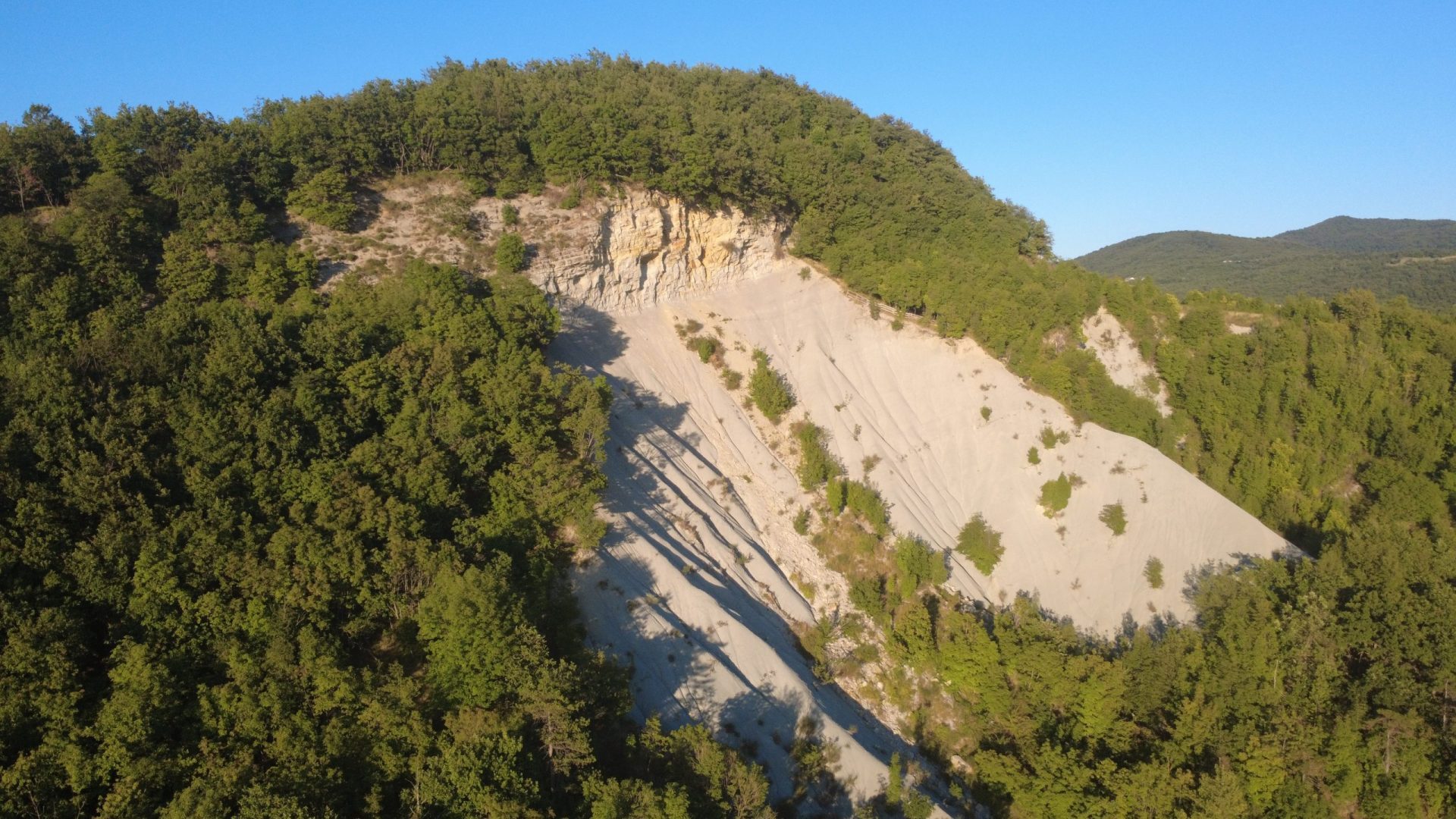
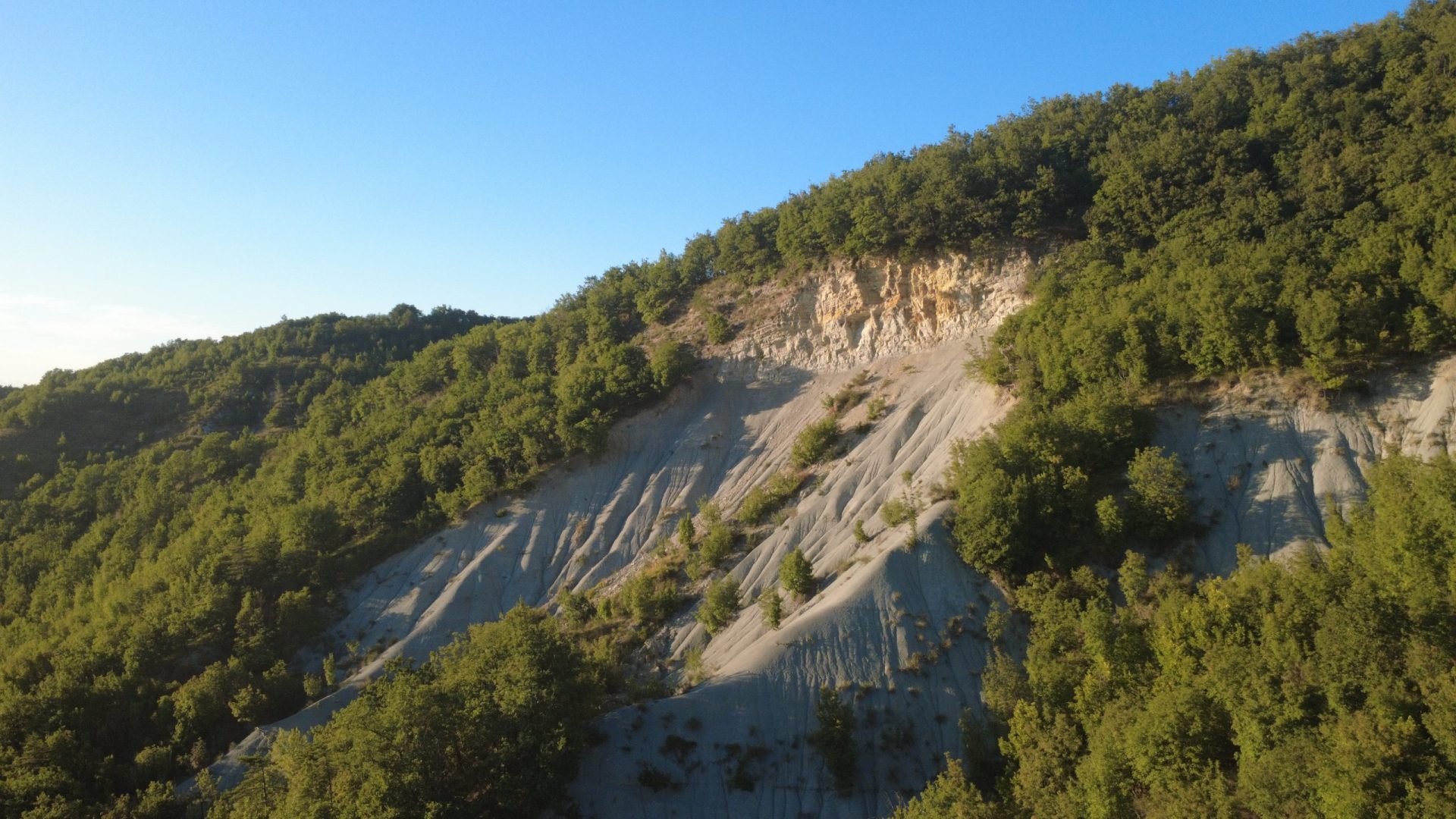
Carrosio is a tiny village, nestled in the Lemme Valley, which surprises visitors not only with its intimate atmosphere and its location on the border between Liguria and Piedmont. Here, in fact, nature has left a spectacular mark: a geosite that preserves the rocks of an ocean that disappeared millions of years ago. Walking through the hills, a glance at the exposed rocks is enough to realise that time, in this place, has ceased to flow at a human pace and has stopped at that of geology.
An open-air museum
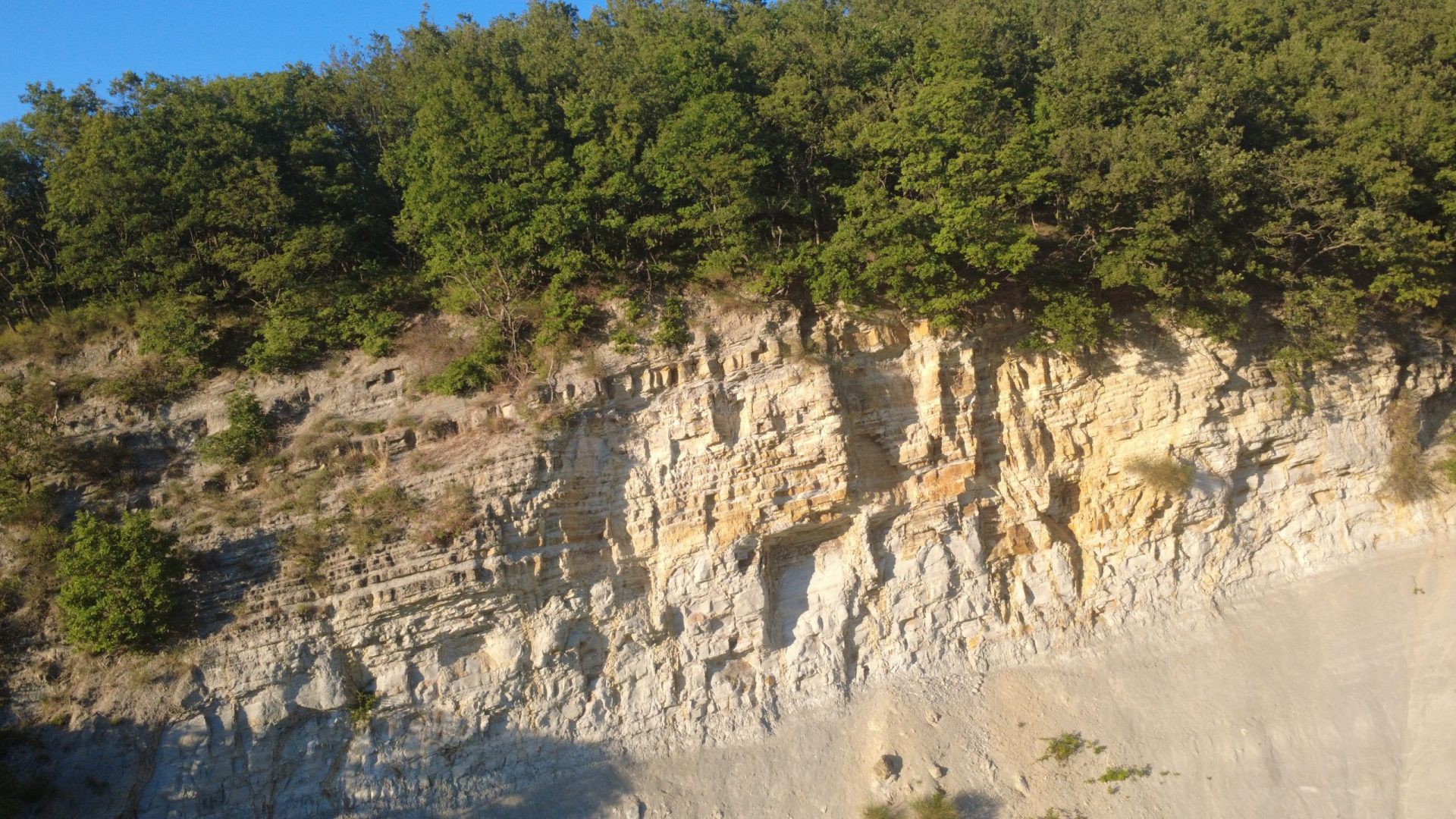
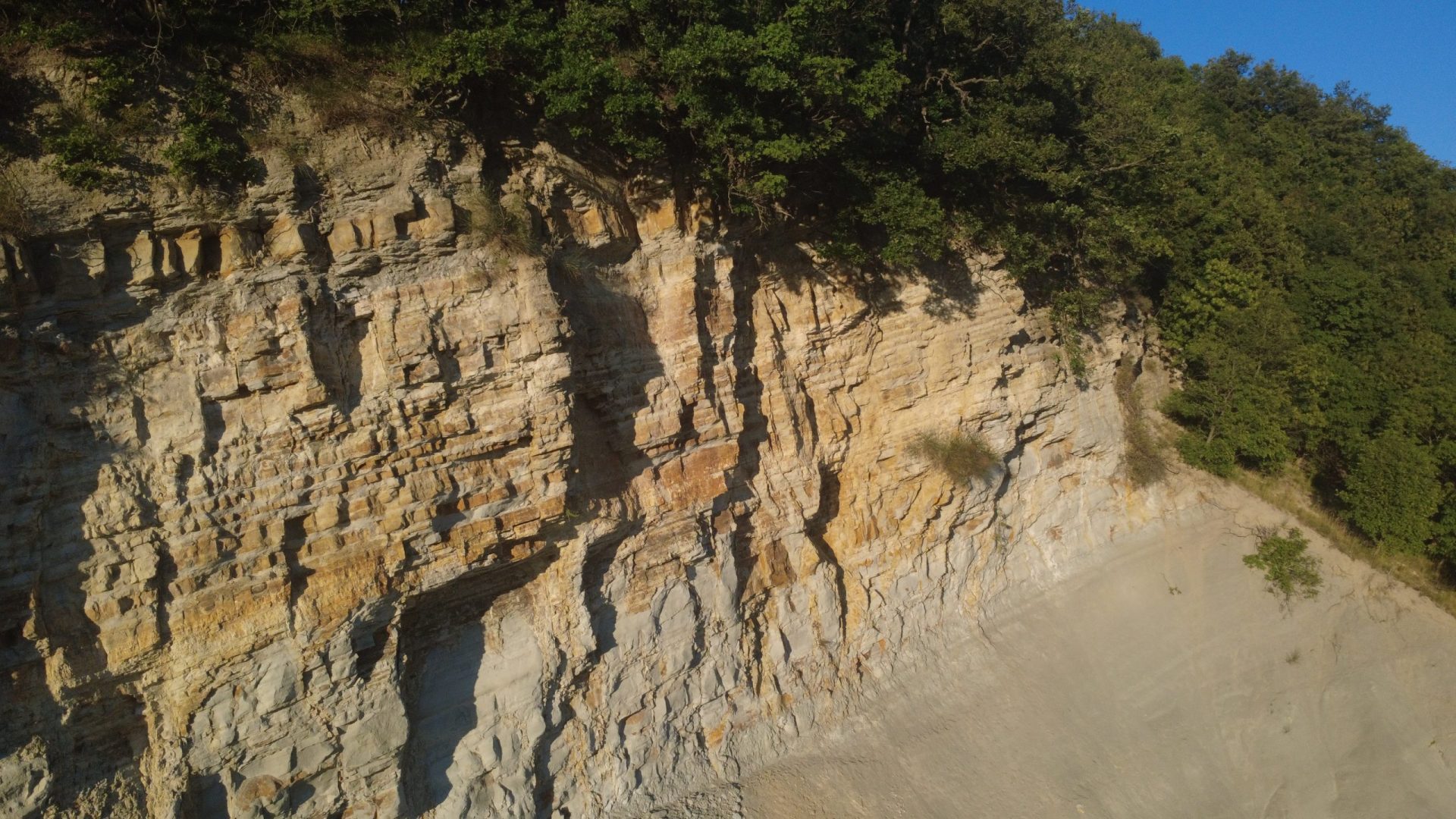
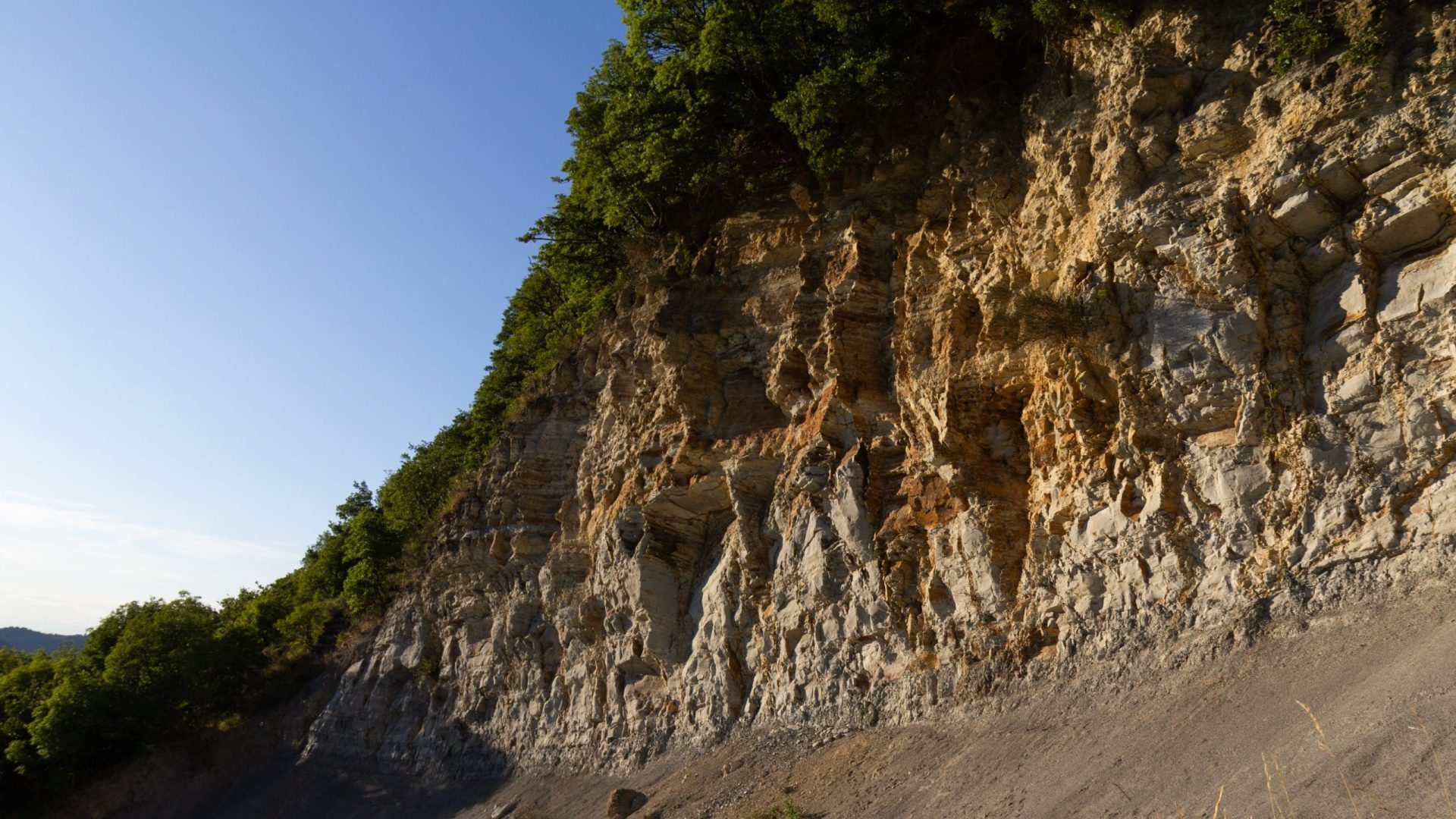
The term geosite refers to a place of particular geological interest, a natural archive that allows us to read the Earth’s evolution. In Carrosio, this archive is inscribed in the Ligurian ophiolites, rocks formed in the depths of the oceanic crust over 150 million years ago, when there were no hills here but the waters of the Tethys Ocean.
These fragments of the oceanic crust – pillow basalts, serpentinites and gabbros – were uplifted and deformed during the formation of the Apennine mountain range, eventually emerging to the surface. Today they glisten in the sun in a mosaic of colours: the glossy green of the serpentinites, the solid black of the basalts, the dark red of the accompanying claystones. It is as if a piece of the seabed had been set amidst vineyards and woods.
Stones that speak of people
The geology here tells of more than just oceans and mountains. These very rocks were part of the daily lives of the inhabitants of Carrosio: hard, durable, capable of withstanding the test of time and the elements. Over the centuries, they were used to build walls, structures and milestones. Even today, strolling through the narrow streets of the village, one can recognise their presence in the oldest buildings.
In medieval times, Carrosio was a strategic crossroads on the route connecting Genoa with the Po Valley. Its stones were not merely a natural reservoir, but a symbol of identity and continuity: a raw material that tells the story of both nature and history.
The Carrosio geosite is significant because it offers a unique window onto a lost ocean and the processes that shaped the Apennines. For scholars, it represents a rare testimony, but for travellers it is a sensory experience: walking amongst these rocks means setting foot on ancient underwater volcanoes, imagining ocean ridges, and touching the depths of time with one’s own hands.
Walking amongst its rocky outcrops means traversing the seabed of an ocean that no longer exists, breathing in both the fresh air of the valley and the long breath of history.
Today, the site’s promotion contributes to slow, mindful tourism. It is no coincidence that it is increasingly included in nature and cultural itineraries: combining a visit to the village, its historic architecture and the local culinary and wine specialities creates a journey that intertwines science, history and beauty.
Carrosio is not just a small village in the Ligurian hinterland: it is a place where geological and historical memory go hand in hand. It is a gateway to the planet’s distant past and, at the same time, a meeting point for communities, travellers and researchers.
Watch the video
Gallery